A good TV mount disappears when it is chosen well. A bad one reminds you of itself every time sunlight hits the screen, the TV sits too high, or the cables hang in plain view. That is why a careful tv wall mount comparison matters more than most homeowners expect.
The right mount affects picture quality, comfort, room layout, and even how often you use the space. In a living room, family room, or basement media setup, the mount is not just hardware. It sets the viewing angle, determines how clean the installation looks, and influences what is possible with soundbars, in-wall wiring, cabinetry, and future upgrades.
TV wall mount comparison by mount type
Most TV mounts fall into three categories: fixed, tilting, and full-motion. Each has a place. The best choice depends on where the TV will sit, how you watch, and what you want the room to look like when the system is off.
Fixed mounts
A fixed mount keeps the TV close to the wall and does not allow angle adjustments after installation. This is usually the cleanest-looking option. If your seating is directly in front of the screen and the mounting height is correct, fixed mounts are often the simplest and strongest solution.
They are especially appealing in rooms where appearance matters as much as performance. A slim fixed mount can make a flat panel look intentional rather than added as an afterthought. If you are pairing the TV with built-ins, a fireplace wall design, or a dedicated media room, this low-profile style can work very well.
The trade-off is flexibility. If glare changes throughout the day, or if the TV ends up a little too high, a fixed mount gives you very little room to correct it afterward. Access behind the TV can also be tighter, which matters when multiple devices, streaming boxes, or audio connections are involved.
Tilting mounts
A tilting mount allows the TV to angle slightly downward or upward. This small adjustment solves a lot of common problems. It can reduce reflections from windows and lights, and it is often the better choice when the TV must be mounted higher than ideal.
That is why tilting mounts are popular over dressers, in bedrooms, and above fireplaces, though fireplace placement still needs caution. Just because a tilt mount can aim the screen down does not mean the height is automatically comfortable. Neck strain is still possible if the screen is too far above eye level.
Tilting mounts offer a practical middle ground. They preserve a fairly clean look while adding enough flexibility to improve the real viewing experience. For many homeowners, that balance is exactly right.
Full-motion mounts
A full-motion mount extends, swivels, and tilts. This is the most adjustable option and often the most forgiving when the room is not straightforward. If you watch from multiple seating areas, need to angle around windows, or want the TV visible from an adjoining kitchen or open-concept space, full-motion can be a smart solution.
It also helps when wall framing does not place the studs exactly where you want the screen centered. A well-selected articulating mount can sometimes give more placement flexibility than a fixed bracket alone.
The trade-offs are cost, depth, and complexity. Full-motion mounts typically sit farther off the wall, even when pushed back. They also place different loads on the wall because the TV can extend outward. That makes proper mounting and weight matching more critical. In many homes, the mount itself is only part of the decision. The wall structure, cable path, and nearby components matter just as much.
What matters most in a TV wall mount comparison
Once you narrow the mount style, a few practical details will separate a decent setup from one that feels custom.
Viewing height
The most common mistake is mounting the TV too high. Homeowners often center the screen based on the wall instead of the seating position. In everyday use, your eyes care more about comfort than symmetry.
For most living rooms, the center of the screen should land close to seated eye level. There is some flexibility depending on screen size and furniture height, but if you have to tilt your head back to watch a two-hour movie, the mount choice and placement need another look.
Glare and room lighting
A mount cannot change the amount of sunlight in a room, but it can help manage reflections. If the screen faces large windows or bright fixtures, a tilting or full-motion mount may improve daytime viewing. This is especially true in open spaces where the TV wall is not the ideal wall but the practical one.
TV size and weight
Not every mount fits every TV, even if the screen sizes sound close. Weight capacity matters, but so does VESA pattern compatibility, extension range, and the way the TV’s inputs are positioned on the back panel. Larger screens can also behave differently on an articulating arm than smaller sets. A mount that technically supports the weight may still feel less stable than you want in a busy family room.
Wall construction
Drywall alone is not enough. Stud placement, masonry conditions, above-fireplace surfaces, and hidden obstacles all affect what can be done safely and cleanly. This is one reason professional installation often saves frustration. The mount type may look perfect on paper, but the wall itself may steer the final recommendation.
Cable management
A mount comparison is incomplete if it ignores wiring. A beautifully mounted TV still looks unfinished if power cords and HDMI cables are visible. Some mounts offer modest cable routing features, but clean results usually depend on a broader installation plan that accounts for outlet location, low-voltage wiring, soundbar placement, and connected sources.
Which mount works best for different rooms?
In a main living room, fixed and tilting mounts are usually the strongest contenders. If the seating is straightforward and the wall is well-positioned, fixed gives the most polished appearance. If light changes throughout the day or the TV sits a bit high over furniture, tilting often wins.
In a bedroom, a tilting mount is commonly the better fit because the screen is often mounted higher and viewed while reclined. The angle adjustment helps make the picture more comfortable.
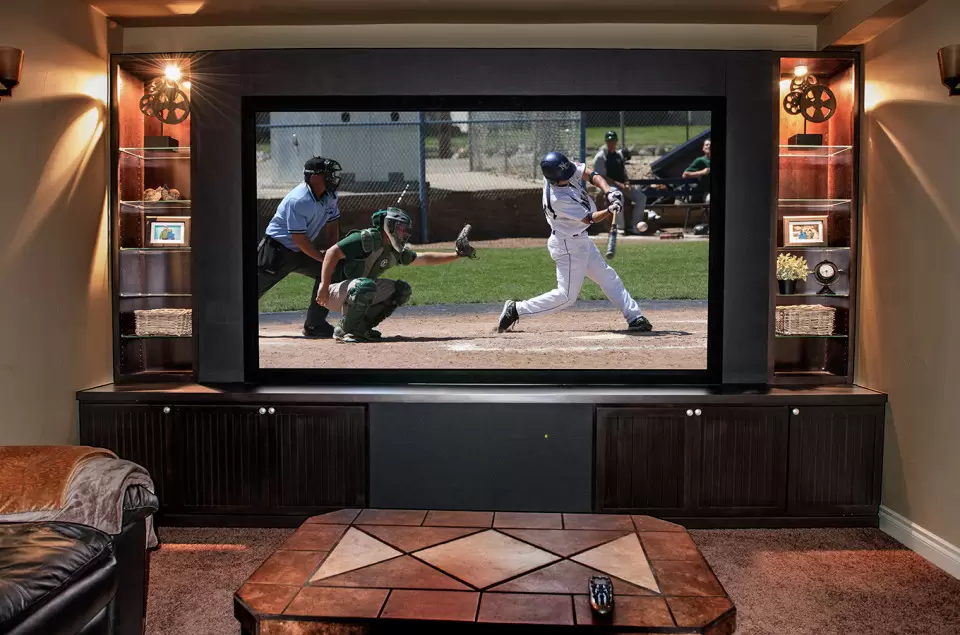
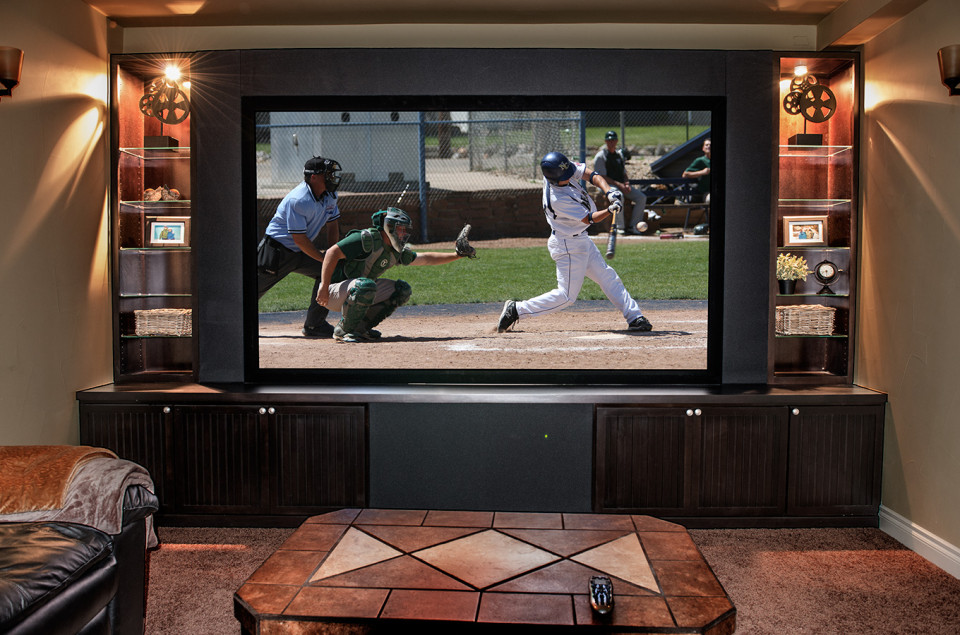
In a basement media room or dedicated theater space, fixed mounts often make sense because seating, lighting, and screen placement can be planned more deliberately. These rooms benefit from clean lines and predictable viewing positions.
In open-concept great rooms, full-motion mounts have a stronger case. If the screen needs to serve more than one area, the flexibility can be worth the added cost and depth. This is especially true when the TV needs to rotate toward a kitchen island, casual seating area, or secondary conversation space.
Above a fireplace, the mount type matters, but so do heat, height, and viewing comfort. A tilting mount is usually the minimum consideration there. In some cases, a specialized pull-down solution may be better than a standard bracket. The wall may look convenient, but convenience and comfort are not always the same thing.
When the cheapest option becomes the expensive one
Mounts are easy to compare by price alone, but that usually misses the bigger picture. A low-cost mount may hold the TV just fine, yet still create problems with access, leveling, stability, cable clearance, or future equipment changes. Those issues tend to show up after the box is gone and the wall is already drilled.
A better mount is not always the most expensive one. It is the one that matches the screen, the wall, and the way you actually use the room. In homes across Northern Colorado, we often see systems that needed only a modest hardware upgrade and better placement to feel dramatically more comfortable and polished.
The best TV wall mount comparison ends with the room, not the bracket
If you are trying to decide between fixed, tilting, and full-motion, start with how the room works on a normal Tuesday night. Where do you sit? Does the light shift during the day? Will the TV share space with a fireplace, soundbar, shelving, or hidden components? Those answers usually point to the right mount faster than any product label.
The best installations feel natural because the mount, screen height, wiring, and surrounding equipment were all considered together. If you are planning a new setup or correcting one that never felt quite right, it helps to treat the mount as part of the system rather than a last-minute accessory. That is where a cleaner look and better viewing comfort usually begin.