You can spend a lot on a projector, speakers, and seating, then still end up asking the same question halfway through a movie: why is the dialog hard to follow? In many rooms, the problem is not the equipment. It is the room itself. Acoustic panels for home theater spaces help control reflections, reduce harshness, and let your system perform the way it was meant to.
That matters more than most homeowners expect. Hard drywall, glass, bare floors, and low basement ceilings can all create bounce and smear in the sound. Instead of hearing clean effects and clear voices, you hear a room adding its own signature on top of the soundtrack. Good acoustic treatment does not make a theater feel dead or flat. Done well, it makes the room sound more natural, more focused, and easier to enjoy at any volume.
Why acoustic panels matter in a home theater
A home theater is different from a typical living room setup because the goal is immersion. You want speech anchored to the screen, surround effects that move with precision, and bass that feels powerful without turning muddy. Acoustic panels help get you there by absorbing excess sound energy before it bounces back into the room.
The biggest improvement many people notice is dialog clarity. When voices reflect off side walls, ceilings, and rear surfaces, they can blur together with the direct sound coming from the center channel. Even a high-quality speaker can sound strained in a reflective room. Adding the right treatment often makes movies easier to understand without constantly reaching for the volume remote.
Panels also help with listening fatigue. A room full of hard surfaces can sound bright, sharp, or just tiring over time. That is especially true in smaller rooms where reflections return quickly to the listening position. By controlling those early reflections, the system sounds smoother and more balanced.
What acoustic panels actually do
Acoustic panels are designed to absorb mid and high frequencies. In a theater, that usually means reducing slap echo, taming reflections, and tightening up the overall presentation. They do not typically solve every bass issue on their own, which is where bass traps or broader room design choices may come into play.
This is one place where homeowners often get mixed messages. Decorative foam tiles, blankets, or generic wall décor may soften a room a little, but they are not the same as purpose-built treatment. The thickness of the panel, the material inside it, and where it is installed all affect the result.
That is why placement matters as much as the panel itself. A few well-positioned treatments can outperform a larger number placed at random. More is not always better, either. Over-treating the wrong frequencies can make a room feel dull while leaving the real problems untouched.
Where to place acoustic panels for home theater performance
The first priority is usually the reflection points. These are the places where sound from your front speakers hits a wall or ceiling and bounces toward the main seating area. Side walls are common treatment zones, especially beside or slightly ahead of the main row. Ceiling panels can also make a major difference in rooms with lower ceilings.
The rear wall is another area worth attention, particularly if seating is close to the back of the room. Reflections from behind the audience can create a confused, boxy sound. In some spaces, absorption on the rear wall works well. In others, a mix of absorption and diffusion is the better choice. It depends on room size, seating distance, and the performance goals for the space.
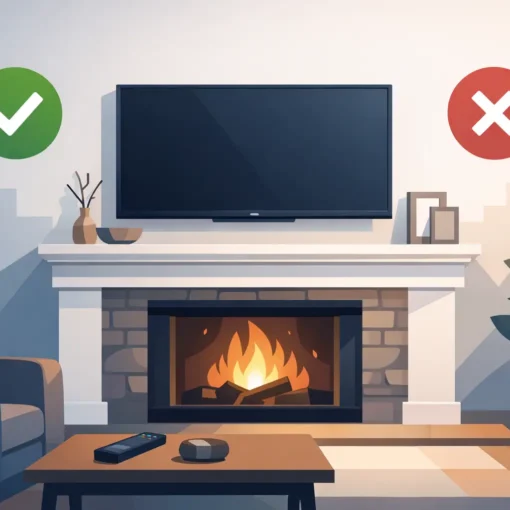
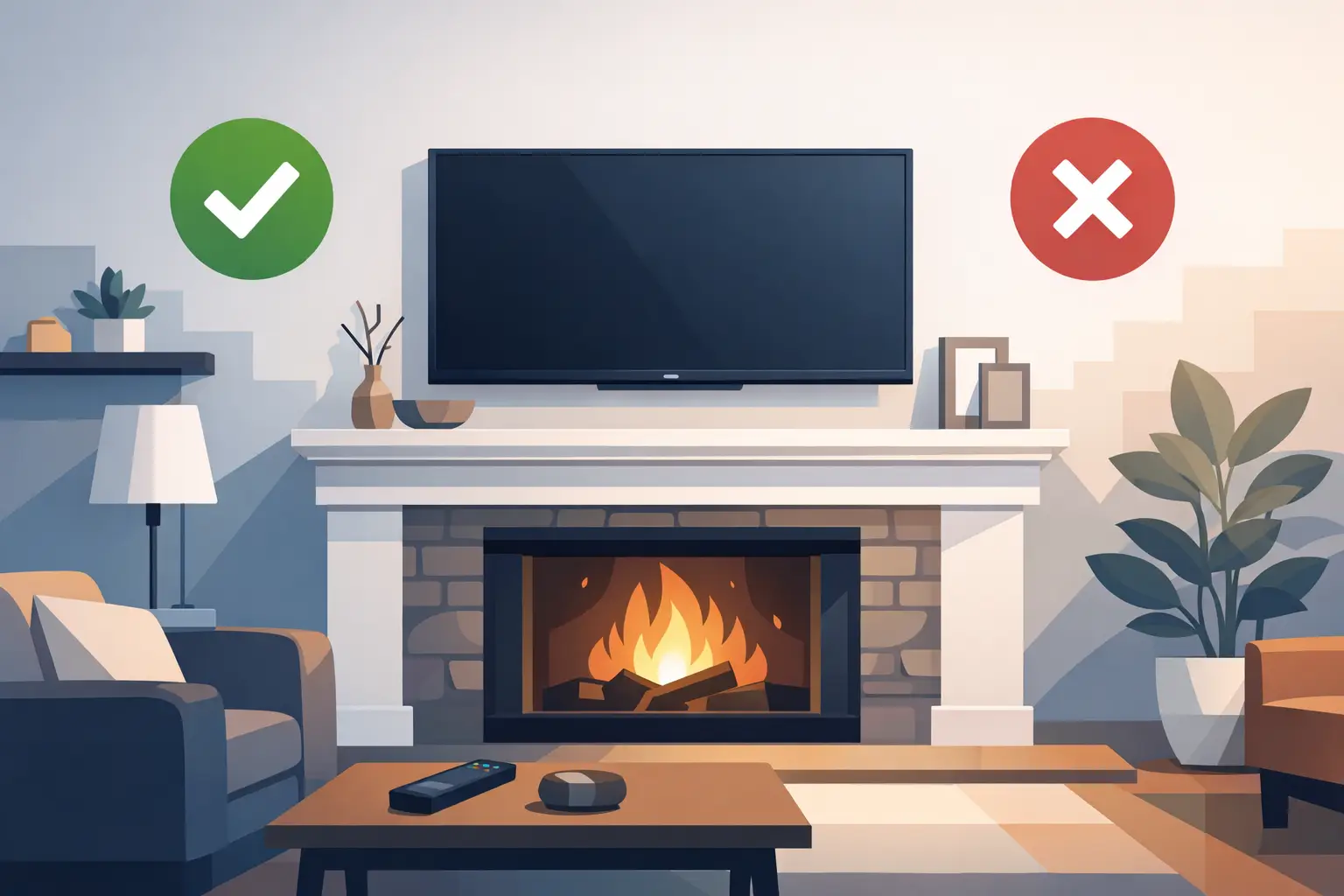
Front wall treatment can help too, especially around the screen wall and front speakers. If the room includes an acoustically transparent screen with speakers behind it, treatment strategies may look different than they would in a media room with a large flat-panel TV.
Not every room needs the same approach
This is where custom planning earns its keep. A dedicated theater with carpet, heavy seating, and limited windows behaves differently than a bright multipurpose basement with a bar area and exposed surfaces. The acoustic needs are not identical, and the right solution should reflect how the room is built and how it will be used.
If you mostly watch movies at night with the lights down, your priorities may lean toward immersion and precise surround effects. If the room also hosts sports, gaming, and family gatherings, you may want a treatment plan that improves sound without making the room feel overly specialized. Both are valid goals.
Budget also plays a role. Some homeowners assume acoustical treatment has to be an all-or-nothing investment. It does not. You can often make a meaningful improvement by treating the highest-impact surfaces first, then building from there. A phased plan is often smarter than buying too much material before understanding what the room actually needs.
Choosing the right panel style
Appearance matters in a home theater. Panels should improve the room without making it look like a recording studio unless that is the style you want. Fabric-wrapped panels remain a popular option because they can blend into the design, match seating and wall colors, or become a visual feature when arranged thoughtfully.
Custom-built panels are often the best fit when the theater includes specific design details, unusual dimensions, or cabinetry and trim work that need a clean finish. This is especially useful in upscale basements and dedicated media rooms where the goal is a polished, intentional look.
Thickness is another practical choice. Thicker panels generally absorb lower frequencies better than thin ones, but they take up more space. In a narrow room, that trade-off matters. In a larger dedicated theater, deeper treatment may be worth it. There is no universal answer, which is why room dimensions and seating layout should guide the decision.
Common mistakes homeowners make
One common mistake is treating only the wall behind the TV and ignoring the rest of the room. While the front wall can matter, sidewall and ceiling reflections are often bigger contributors to poor clarity. Another is relying only on rugs and curtains. Soft furnishings help, but they are usually not enough to control a theater room on their own.
A third mistake is confusing soundproofing with acoustic treatment. Acoustic panels for home theater use improve the sound inside the room. They do not stop bass or movie noise from traveling into the rest of the house. If isolation is a goal, that involves construction methods, not just surface panels.
It is also easy to overdo treatment in one area. Covering every wall with absorptive material can strip away liveliness and leave the room sounding unnatural. A better approach is balance. You want control, not lifelessness.
Why professional planning can save time and money
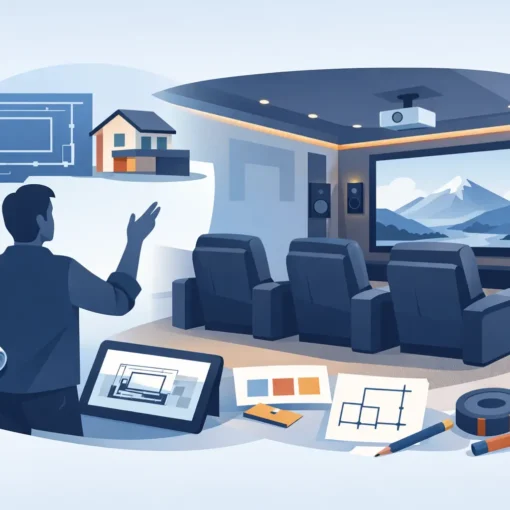
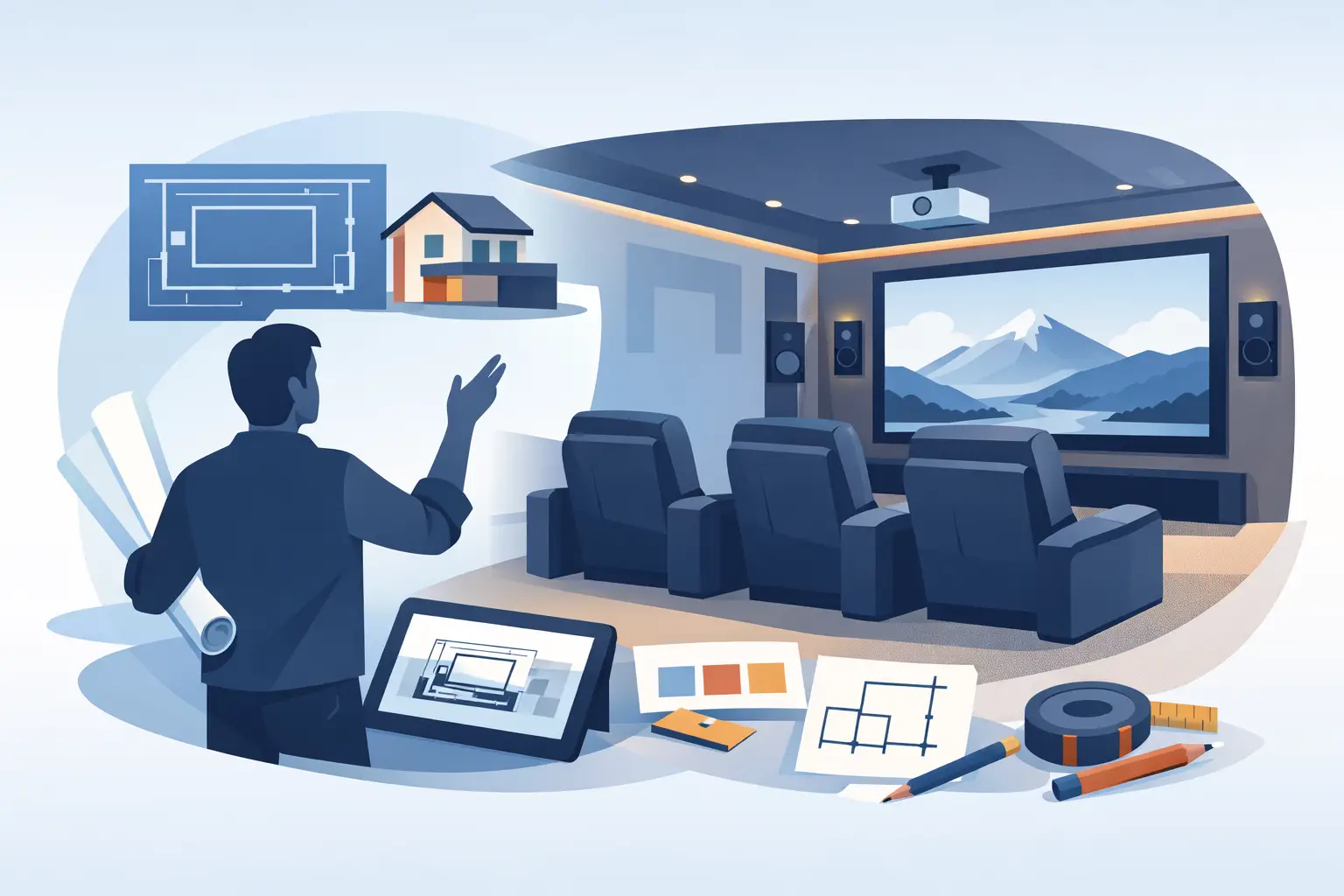
Acoustics are one of those areas where guessing gets expensive. The room may look simple, but speaker placement, seating location, ceiling height, flooring, and wall construction all shape the result. A professional plan helps you avoid spending money on the wrong products or placing panels where they do little good.
For homeowners building a new theater or finishing a basement, this is the ideal time to think about treatment. It is easier to integrate panels cleanly when the room design is still flexible. But existing rooms can absolutely be improved as well, often without major disruption. The key is to match the treatment to the room instead of forcing a standard package into a custom space.
That is the approach Sound Investments takes with theater design in Northern Colorado. The best results come from looking at the whole room, the equipment, and how the client wants to use the space, then building a solution that fits.
What to expect after treatment
When treatment is done right, the change is usually obvious but not flashy. The room sounds calmer. Voices are easier to understand. Surround effects are more precise. Volume becomes less of a battle because clarity improves even at lower levels.
You may also notice that your system feels more expensive than it did before. That is not because the speakers changed. It is because the room stopped getting in their way. For many homeowners, acoustic panels end up being one of the most worthwhile upgrades in the entire theater.
If your theater sounds bright, muddy, echoey, or just harder to enjoy than it should be, the next step may not be new gear. It may be giving the room the attention it has been missing.