A great movie room can be ruined by one bad decision: treating surround sound system installation like a simple box swap. The speakers matter, of course, but the real difference comes from how the system is designed for the room, where each speaker goes, how everything is calibrated, and how easy it is to use once the installer leaves.
That is why homeowners across Northern Colorado often get better results from a custom approach than from a prepacked kit. A basement media room in Windsor needs a different plan than a living room in Fort Collins or a dedicated theater in Greeley. Ceiling height, seating position, flooring, wall materials, ambient light, and even how your family watches TV all affect what will actually sound good in your home.
What surround sound system installation really includes
Many people assume installation means mounting a few speakers and connecting wires to a receiver. In practice, that is only part of the job. A properly planned system starts with room evaluation, equipment matching, wiring paths, speaker placement, subwoofer strategy, control setup, and final tuning.
The tuning piece is often overlooked. Two homes can use the exact same speakers and still sound very different. One may feel clear, balanced, and immersive. The other may be boomy, harsh, or weak in the seats that matter most. That gap usually comes down to placement, calibration, and the willingness to adjust the system to the room instead of forcing the room to adapt to the gear.
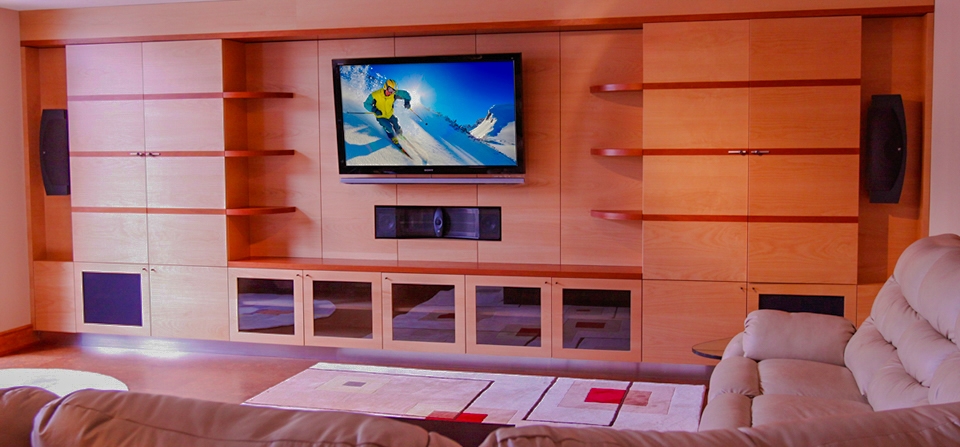
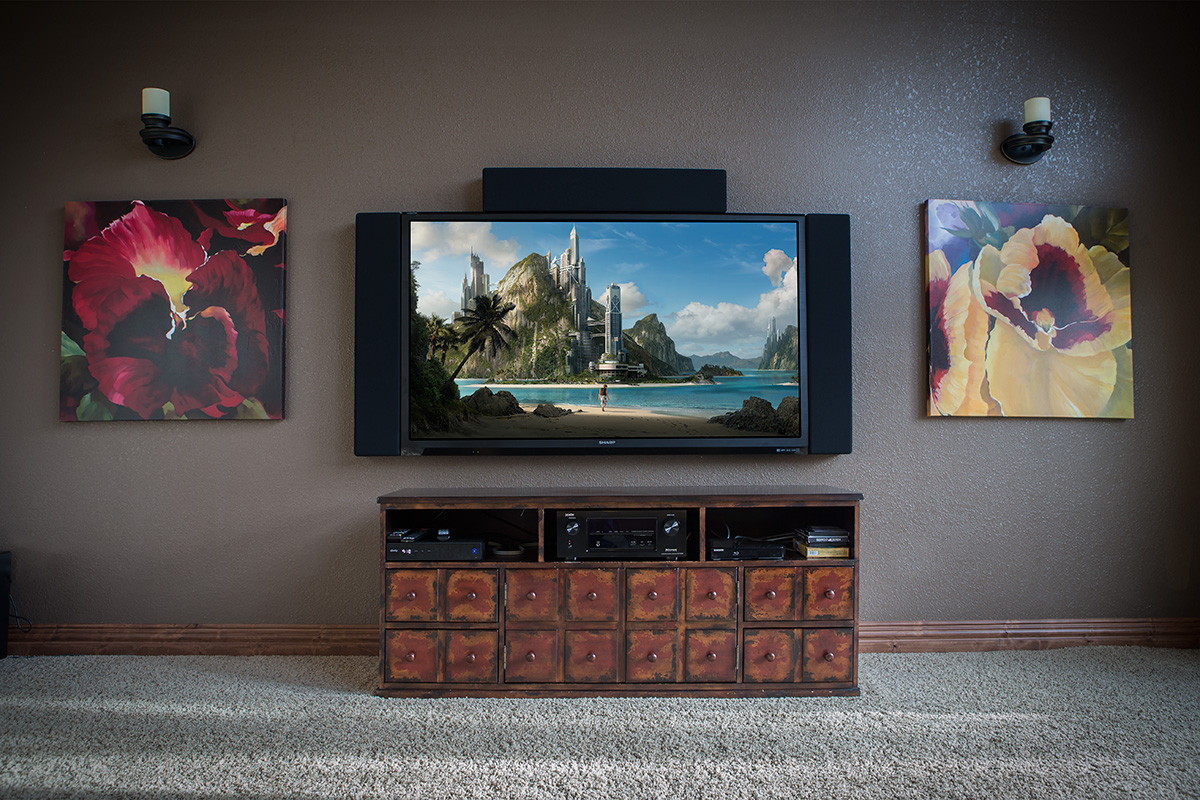
There is also the physical side of the work. Clean cable routing, secure mounting, hidden equipment, ventilation, and trim details all affect the finished result. Homeowners are not just paying for sound. They are paying for a room that looks intentional and works reliably.
Why custom surround sound system installation beats the box-store approach
Off-the-shelf packages can work in small, straightforward spaces. If your room is square, your seating is centered, and you are comfortable with visible wires and limited adjustability, a basic package may get you part of the way there. The problem is that most homes are not that simple.
Open-concept rooms create challenges with reflections and uneven speaker distances. Finished basements may have soffits, ductwork, or low ceilings that affect placement. Some families want theater-level performance for movies, while others care just as much about clear dialogue for everyday streaming and sports. A one-size-fits-all package rarely accounts for those differences.
Custom installation gives you better choices from the start. Maybe your room is best served by in-wall speakers to preserve floor space. Maybe bookshelf surrounds make more sense because the seating is off-axis. Maybe a second subwoofer is a smarter use of the budget than upgrading every speaker in the room. Those are the kinds of decisions that shape the final experience.
The room matters more than most people think
If a room has a lot of hard surfaces, sound bounces. If it is too open, bass can disappear in one seat and overwhelm another. If speakers are mounted too high or too far apart, effects lose their realism. This is why surround sound is never just about equipment quality.
A good installer looks at how the room will actually be used. Are you building a dedicated theater with a single row of seating, or trying to improve a family room where people sit in different spots? Do you want hidden speakers, or is sound performance the priority even if some equipment remains visible? Are you finishing the room now, or working around an existing space with limited access behind the walls?
These details change the design. They also affect budget. Sometimes a room needs acoustic treatment more than another amplifier upgrade. Sometimes better placement fixes a problem that expensive gear will not solve on its own.
Choosing the right layout for your space
Not every room needs the same speaker count. A 5.1 system can sound excellent when it is installed properly in the right space. A 7.1 or Dolby Atmos setup may be worth it if the room supports it and you want a more immersive experience. More speakers are not automatically better if they are forced into poor positions.
For many homeowners, the right question is not What is the biggest system I can fit? It is What layout gives me the best performance for this room and the way I use it?
That can lead to practical decisions. In a smaller media room, a well-calibrated 5.1.2 Atmos system may outperform a crowded 7.1 setup with compromised placement. In a larger dedicated theater, additional surround and height channels may create a noticeably fuller sound field. The right answer depends on spacing, seating, and expectations.
Speaker placement is where good systems become great ones
Even excellent speakers underperform when they are installed in the wrong place. The center channel should anchor dialogue clearly to the screen. Front left and right speakers need proper separation without sounding disconnected. Surrounds should create envelopment without calling attention to themselves. Height speakers need to be positioned for believable overhead effects, not just dropped wherever the ceiling allows.
Subwoofers are their own challenge. Bass behaves differently from the rest of the system, and room dimensions can create peaks and nulls that make low frequencies feel inconsistent. This is one reason professional calibration matters so much. You are not just trying to make the room loud. You are trying to make it balanced.
Wiring, equipment location, and control matter too
The most impressive sound system becomes frustrating fast if it is difficult to operate. Homeowners want one-touch control, clear labeling, and a setup that works the same way every time. They do not want to explain to guests which remote controls the volume, which input the Blu-ray player uses, or why the TV audio cuts out when someone changes one setting.
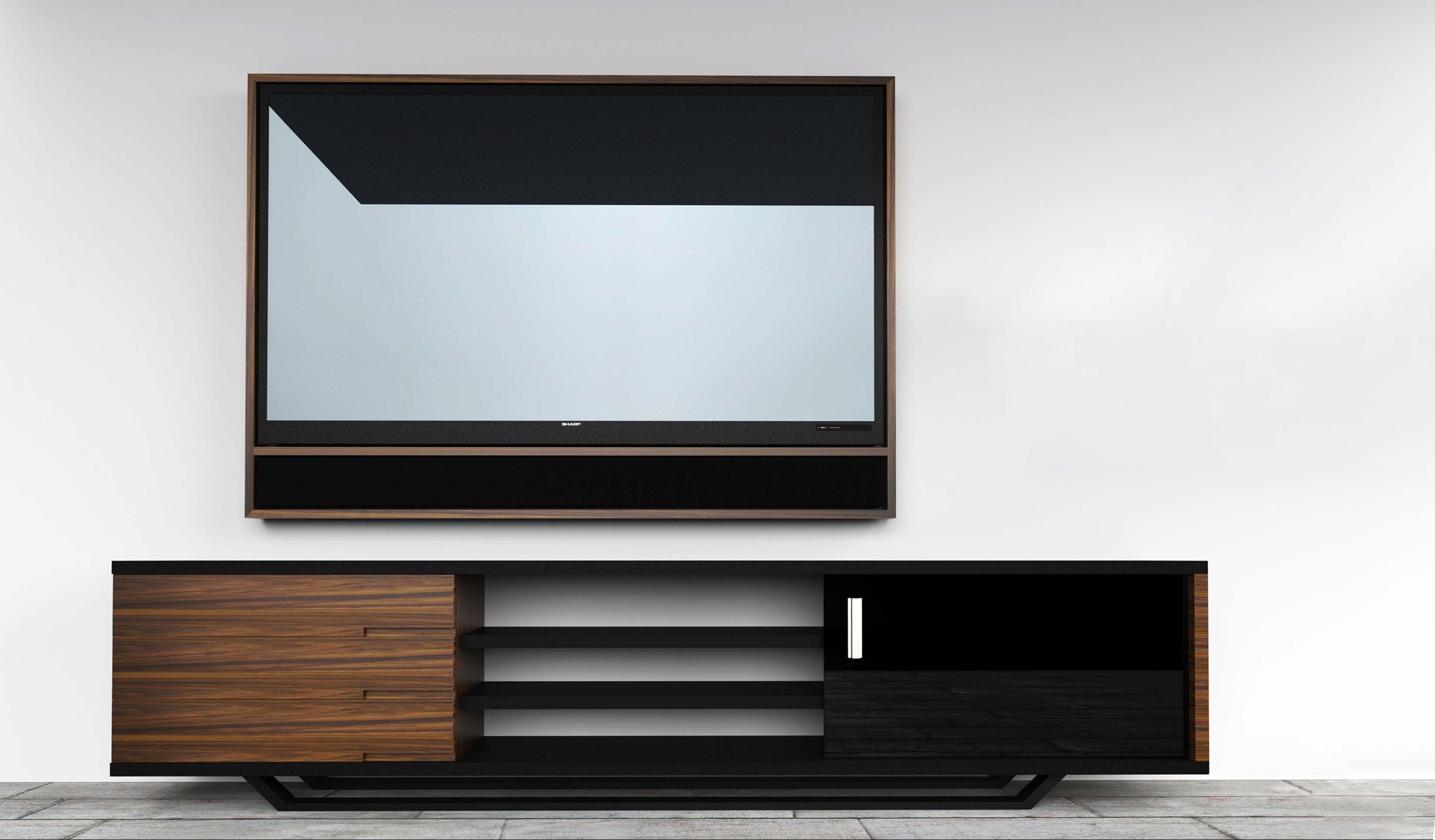
This is where thoughtful integration pays off. Equipment should be placed where it can be accessed for service but hidden well enough to keep the room clean. Wiring should be routed safely and neatly. Components need proper ventilation. Universal remotes and control systems should be programmed around real use, not just technical possibility.
That service mindset matters after the install as well. Systems evolve. A homeowner may add streaming devices, upgrade a display, or want to expand into whole-home audio later. A well-planned installation leaves room for those changes.
Budget decisions that actually improve performance
A lot of people assume better results always require spending more. In reality, better results usually come from spending smarter. Sometimes that means putting more of the budget into the front stage and subwoofer, where the impact is most obvious. In other cases, it means reserving funds for room treatment, cabinetry, or better control options rather than chasing specs that will not be noticeable in that space.
There are also moments when saving money upfront creates bigger costs later. Cheap mounts, poor wire management, weak receivers, or rushed installation can lead to service calls, cosmetic repairs, and disappointing performance. A dependable system should feel like a long-term improvement to the home, not a project you need to revisit in six months.
For homeowners who want guidance without pressure, the best process is a consultation that starts with goals, room constraints, and budget range. That approach usually leads to more honest recommendations than choosing products first and trying to make them fit later.
Professional installation versus DIY
There is nothing wrong with DIY for the right person and the right room. If you enjoy the technical side, have a simple layout, and are comfortable troubleshooting calibration and control issues, you may get decent results on your own.
But most homeowners call for professional help when they want cleaner installation, better performance, or fewer headaches. Running wire through finished walls, aligning speaker positions, integrating multiple sources, mounting displays safely, and dialing in the system all take time and experience. The more custom the room, the more that experience matters.
That is especially true when the goal is not just to make the system work, but to make it feel effortless. A professionally installed system should disappear into the background until the movie starts. Then it should do exactly what you hoped it would do.
In Northern Colorado, many homeowners are also balancing new construction, remodels, and basement finishes. That creates an opportunity to plan wiring, speaker locations, and cabinetry before drywall closes everything up. Done at the right stage, the installation is cleaner, more flexible, and often more cost-effective. Sound Investments works with homeowners on exactly those kinds of projects, helping match system design to the space instead of forcing a generic package into it.
The best surround sound system is not the one with the most components. It is the one that fits your room, your habits, and your expectations so well that using it feels natural every single time.